
Oxygen Therapy Knowledge - COPD and Oxygen Therapy
Oxygen Therapy Knowledge - COPD and Oxygen Therapy
Chronic obstructive pulmonary disease (COPD) is a preventable and treatable disease characterized by persistent airflow limitation. This airflow limitation is often progressive and is associated with an enhanced chronic inflammatory response of the airways and lung tissue to harmful gases or particles such as tobacco smoke. COPD primarily affects the lungs, but it can also cause systemic (or extrapulmonary) adverse effects. COPD can be associated with various comorbidities. Acute exacerbations and comorbidities affect the overall severity of the disease.
COPD is a common and widespread disease that seriously endangers human health, significantly impacting patients' quality of life, and having a high mortality rate. It also places a heavy economic burden on patients, their families, and society.
A survey of 20,245 adults in seven regions of my country showed that the prevalence of COPD in people over 40 years old was as high as 8.2%. According to the Global Burden of Disease Study... A study estimates that by 2020, COPD will be the third leading cause of death globally. Data from the World Bank and the World Health Organization indicate that by 2020, COPD will rank fifth in terms of the global economic burden of disease.
What are the benefits of oxygen therapy for COPD?
The goal of long-term oxygen therapy is to achieve a partial pressure of oxygen (PaO2) ≥60 mmHg at sea level in resting COPD patients, or to raise arterial oxygen saturation (SaO2) to 90%, ensuring oxygen supply to peripheral tissues and maintaining the function of vital organs. Long-term home oxygen therapy for stable COPD patients can improve the survival rate of patients with chronic respiratory failure and have beneficial effects on hemodynamics, hematological characteristics, exercise capacity, pulmonary physiology, and mental state.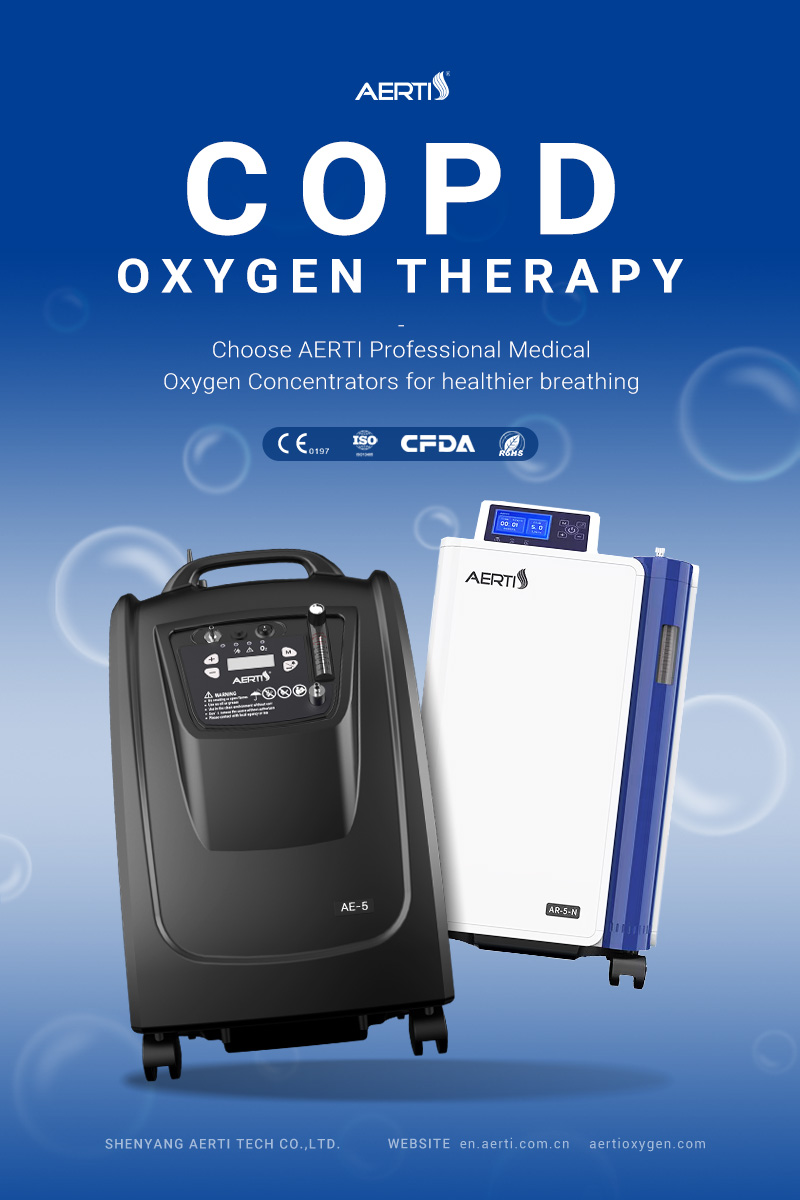
Which COPD patients need long-term oxygen therapy?
Generally, doctors recommend long-term oxygen therapy when COPD patients have very severe lung function impairment or exhibit symptoms of hypoxia.
According to the 2013 "Guidelines for the Diagnosis and Treatment of Chronic Obstructive Pulmonary Disease," the specific indications for long-term home oxygen therapy in COPD patients include:
① Arterial partial pressure of oxygen ≤55 mmHg or peripheral oxygen saturation ≤88%, with or without hypercapnia;
② Arterial partial pressure of oxygen 55-60 mmHg or peripheral oxygen saturation <89%, and with pulmonary hypertension, heart failure edema, or polycythemia.
What are the specific requirements for long-term oxygen therapy for COPD?
① Treatment duration: Home oxygen therapy should be... For long-term oxygen therapy, patients need to consistently receive oxygen for at least six months to achieve optimal results.
② Duration: The ideal daily oxygen therapy duration is ≥15 hours. Large-scale studies in the 1970s confirmed that continuous long-term oxygen therapy is more effective than nocturnal oxygen therapy alone, which in turn is more effective than no oxygen therapy at all. While 24-hour oxygen therapy is difficult for most people, studies have shown that 15 hours of daily oxygen therapy significantly improves patient survival time; therefore, 15 hours has become the recommended guideline. The specific duration should be determined based on the patient's condition; the longer the duration, the better, if conditions permit.
③ For certain types of COPD patients, such as some patients with cor pulmonale who have normal arterial oxygen partial pressure during the day but experience severe hypoxemia during sleep, nocturnal oxygen therapy should be provided. For other COPD patients who only experience hypoxemia during exercise but are normal at rest, oxygen therapy should only be provided during exercise.
④ Oxygen Delivery Method: Long-term home oxygen therapy is generally administered via nasal cannula. During oxygen therapy, ensure the nasal cannula remains unobstructed. After each oxygen therapy session, clean the nasal cannula and humidifier bottle. Before each session, add an appropriate amount of cool boiled water to the humidifier bottle.
⑤ Oxygen Flow Rate: Generally, the oxygen flow rate for COPD patients should not exceed 2 liters/minute. The oxygen concentrator's flow meter has markings; adjust the flow rate to 1-2 liters/minute, which is considered low-flow oxygen therapy.
(The above information is from Southern Weekend)